Don’t forget to watch the video clips and read the information as this will help you answer the questions.
In class we have looked at health and disease, useful pathogens and viruses.
Now we are going to learn about Fungus, bacteria and how pathogens are spread.
Rather complete paper work? Click here to access the printed home learning pack resources.
Lesson 1- Fungus
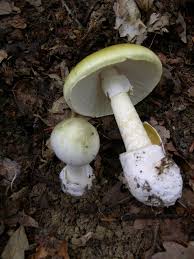
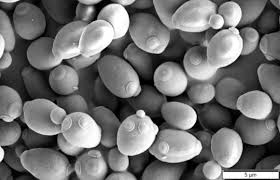
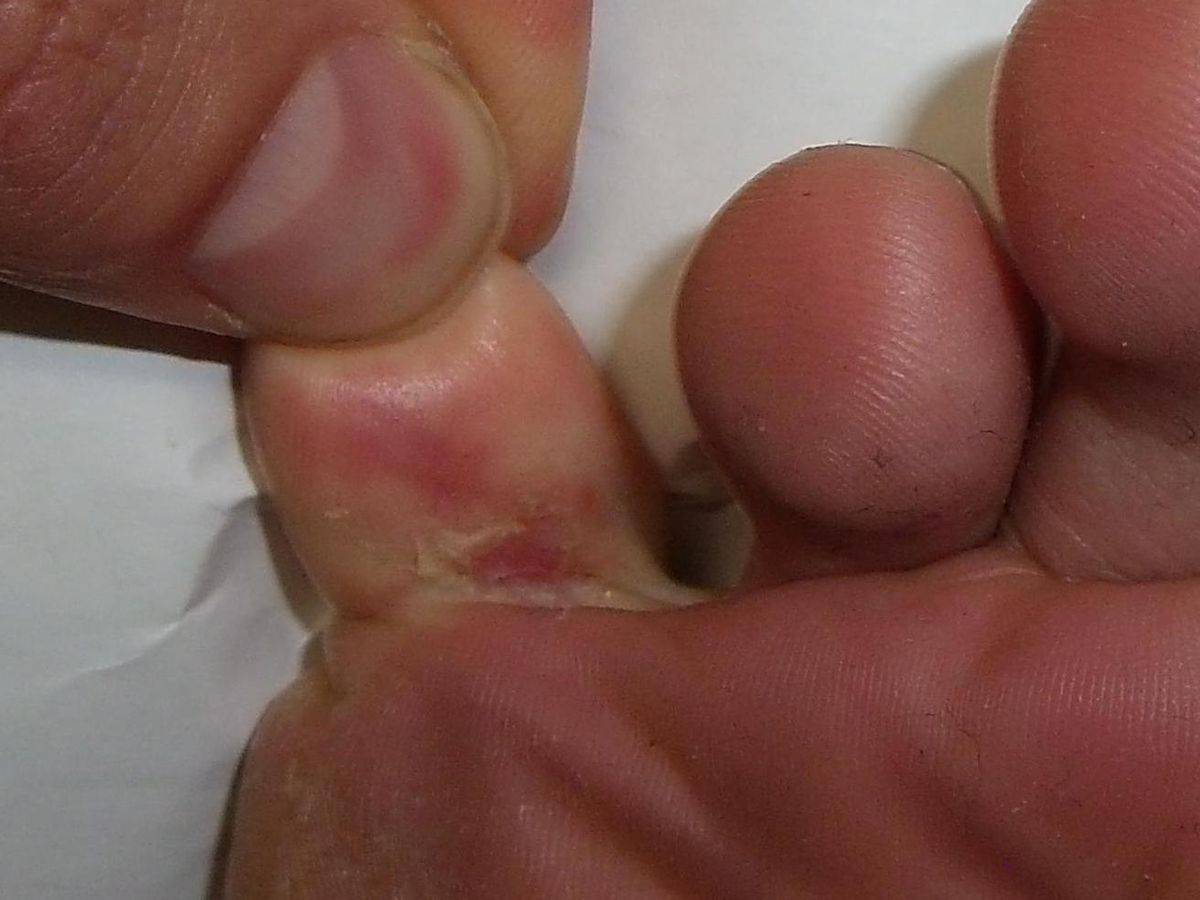
Fungus come in different shapes and sizes, some are made from one cell like yeast but some are made from lots of cells like mushrooms.
Fungi can be found everywhere, they make spores which are like seeds that can be spread everywhere.
Fungi are larger than bacteria cells.
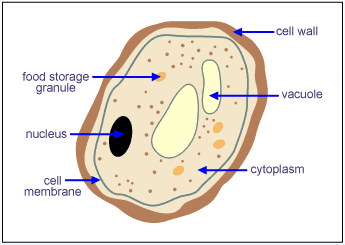
They share some of the same parts as plant and animal cells. Like an animal cell they have: Nucleus Cytoplasm Cell membrane
Like a plant cell they have: Cell wall Vacuole
Fungus don’t eat like animals do or make their food like plants. They release a liquid that digests the food outside their cells and then they absorb that liquid YUM!
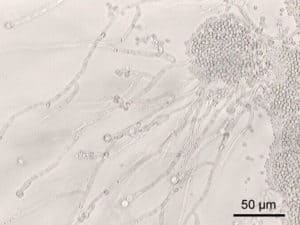
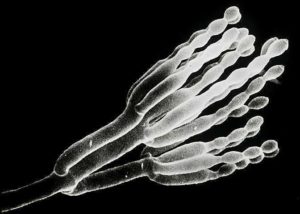
Yeast – Used to make bread, wine and beer Penicillium – Makes the antibiotic pennicillin
Penicillium
Lesson 2- Bacteria
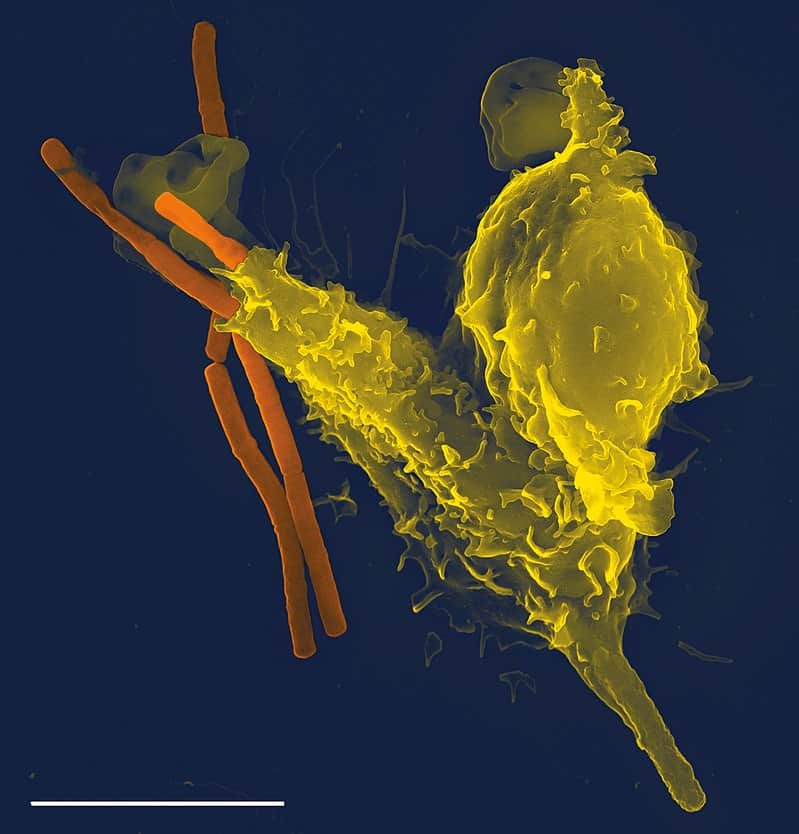
Anthrax
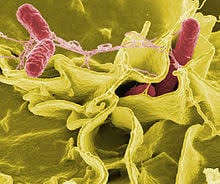
Salmonella
Staphylococcus
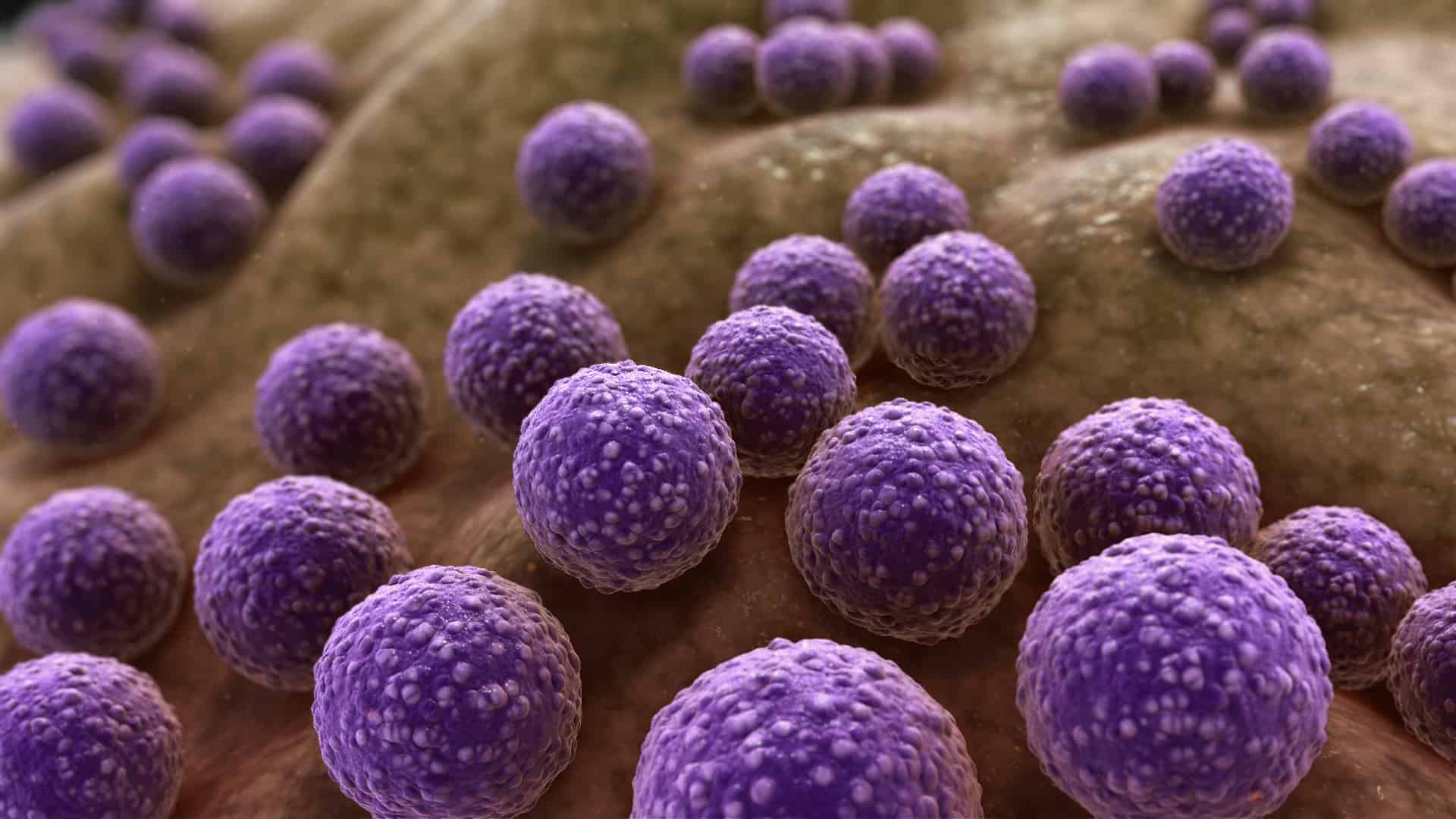
Bacteria are made from just 1 cell and there are many many different types. Just look at the pictures.
You can find bacteria everywhere- in the air, in food, inside your body There are 100 billion inside your body – weighing nearly 1 kg
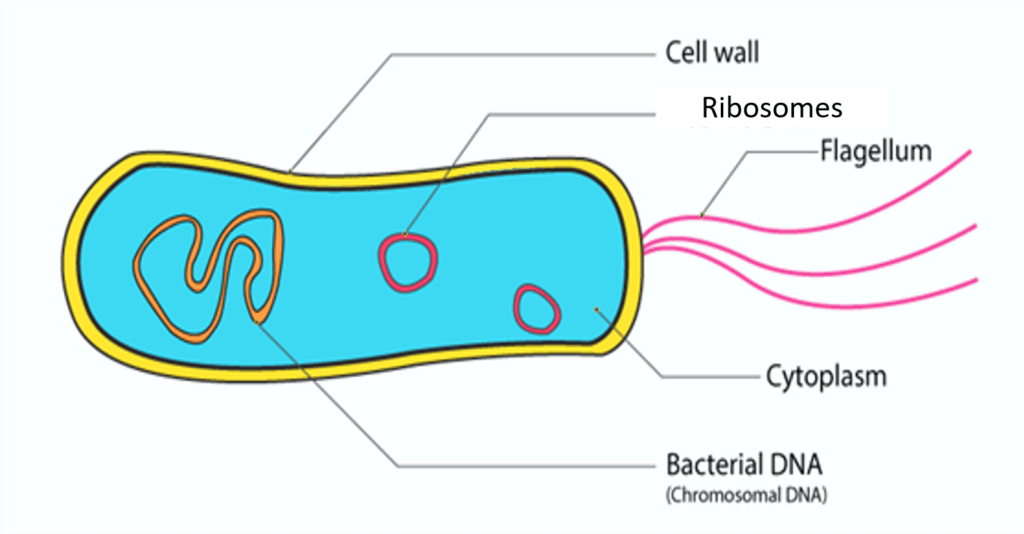
Bacteria can have many different shapes – some are rods, some are balls and some are spirals. They have some of the same structures as plant and animals cells.
Like animal cells they have cytoplasm and ribosomes
Like plant cells they have a cell wall.
But they have a flagellum, this is like a tail and helps them to move They also have a circle of DNA rather than the double helix shape that we have
Bad bacteria
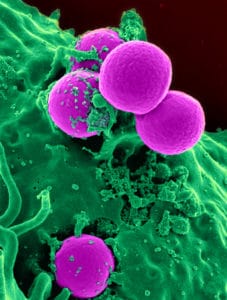
MRSA – A superbug that is resistant to antibiotics. Salmonella – Causes food poisoning
MRSA
Good bacteria
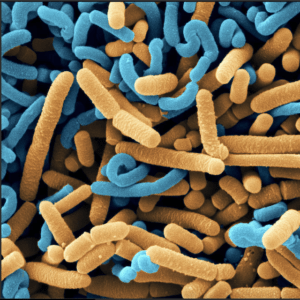
Lactobacillus – Makes cheese and yoghurt Bifidobacterium – Helps with digestion
Lactobacillus
Lesson 3- How pathogens are spread
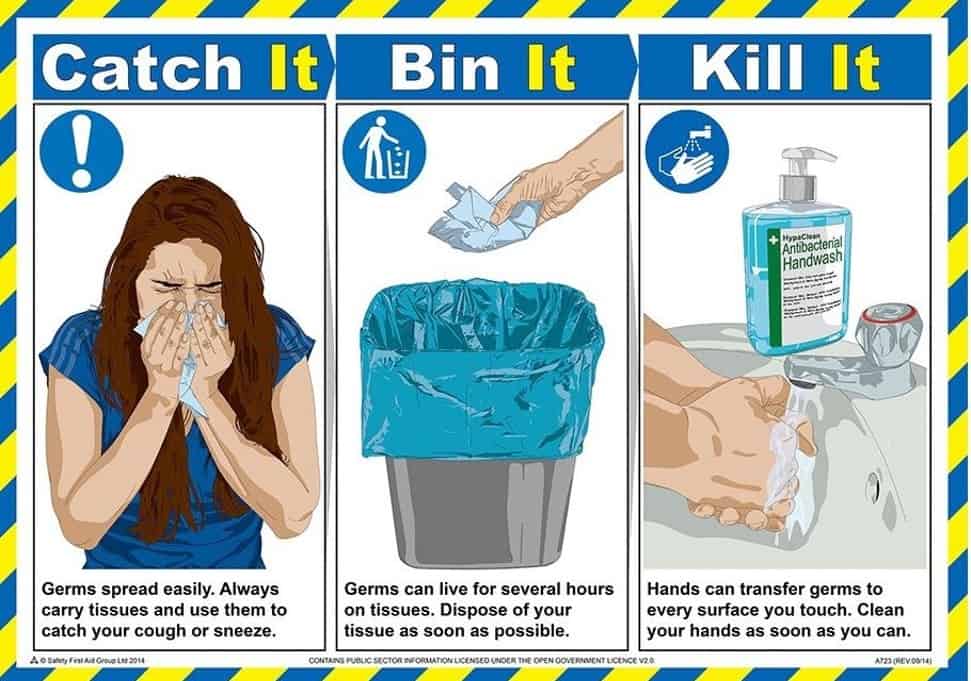
We know from what has been happening recently that diseases can be spread very easily.
They can be spread
– through the in droplets from coughs and sneezes – in water that has not been cleaned – through touch – from animals (these are called vectors) – in food
Make sure to check on STILE for any feedback about your work
and
check week 2 for a sneak peak of what we will be doing next week