Homeostasis is the control of the levels inside your body. Temperature, sugar levels and water levels are three things that are controlled.
If these conditions are not kept constant then your body can not function and you could become very ill and die.
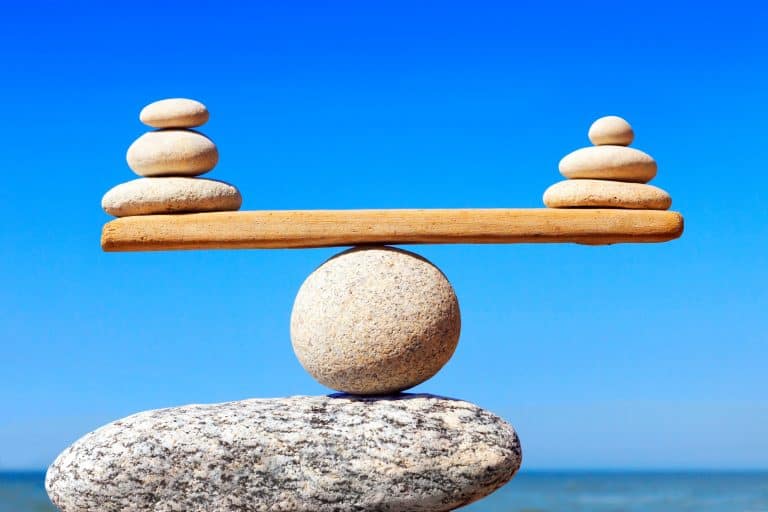
It us all about keeping it balanced.
Temperature
Normal body temperature is around 37o C, the sensors in the skin and in the thermoregulatory centre of the brain in the hypothalamus detect your temperature.
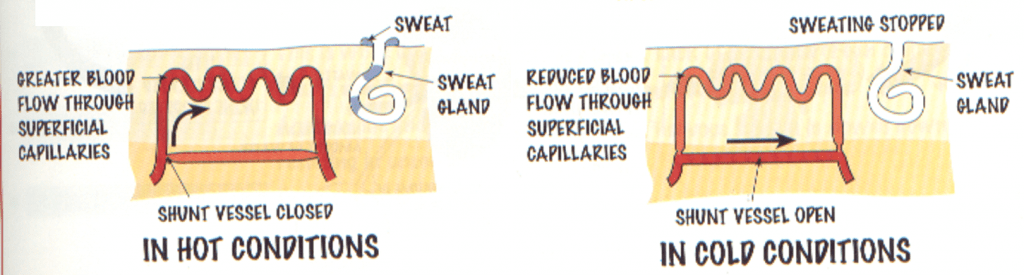
If you get too hot your body sweats, the evaporation of the water from your skin has a cooling effect. You become red as the blood vessels dilate to allow heat to be released from your blood to your skin. The hairs on your arms lay flat, this is to ensure that you are not trapping warm air between them.
If you get too cold the muscles in your body contract causing shivering, this is to generate heat inside your muscles, the hairs on your arms stand up to help keep a layer of warm air close to your skin and your blood vessels constrict to keep blood and therefore heat away from your skin.
Blood Sugar
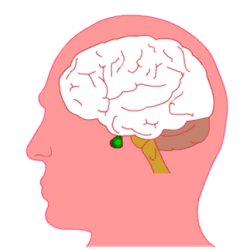
Brain
Homeostasis uses a process called negative feedback. Your body is constantly checking the levels and adjusting., this is monitored in the brain
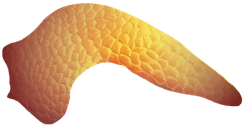
Pancreas
When we eat food, we take in sugars. Our pancreas releases hormones to store or release glucose depending on what our body needs. When our blood sugar levels are too high it makes insulin.
When they are too low they make a hormone called glucagon.
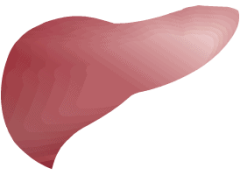
Liver
The glucose that we eat is turned into glycogen and stored in the liver ready for use later.
When glucose is needed glucagon changes the glycogen back into glucose.