Contraception is a way of preventing fertilisation of the egg. There are many different methods some use hormones and others are physical barriers.
Hormone based contraception
Contraceptive pill
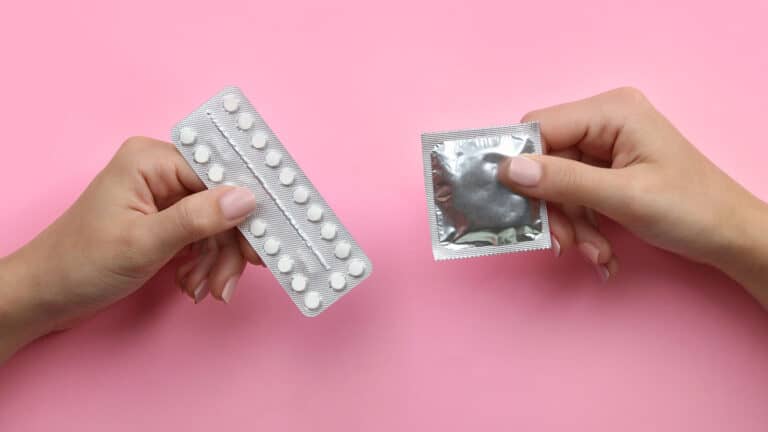
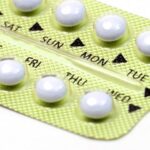
The Contraceptive pill provides contraceptive protection all the time. It contains oestrogen and progesterone which prevents ovulation. It has to be taken every day and some need to be taken at the same time each day. The higher concentration of hormones can make some women feel ill. The pill does not prevent the spread of sexually transmitted diseases. The success rate of the pill (when taken correctly) is >99%
Injection
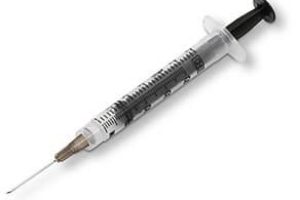
The contraceptive injection contains a hormone called progestogene and is a long-term method of contraception.
It’s injected into a muscle and the hormone is released very slowly into the body, it lasts for 13 weeks. It does not prevent the spread of STI’s.
Implant
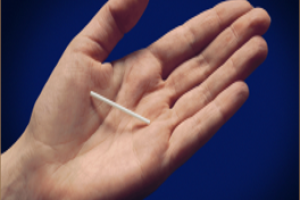
Contains progestogen (synthetic progesterone) which prevents ovulation. It lasts for 3 years and is placed under the skin in the arm. It is >99% effective but does not prevent the spread of STI’s
Patch
The contraceptive injection contains a hormone called progestogene and is a long-term method of contraception.
It’s injected into a muscle and the hormone is released very slowly into the body, it lasts for 13 weeks. It does not prevent the spread of STI
Barrier based contraception
Condoms
Condoms are a barrier method contraception. They prevent the sperm from fertilising the egg because they can not meet.
Condoms protect against sexually transmitted infections (STI’s) They must be used at the time of sexual activity. Both male and female condoms (femidoms) are available.
The male condom has a success rate of 98%
IUD
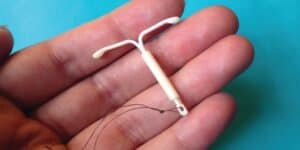
which stands for ‘intra-uterine device.’ Most IUDs are T-shaped. They’re made of plastic and copper, sometimes with a little silver inside. They prevent sperm from getting through the uterus and into the oviducts. It lasts 5-10 years and is >99% effective
Cap/Diaphragm
fits inside the vagina and cover the cervix (entrance to the womb). They are barrier methods of contraception and stop sperm meeting an egg. It is 92-96% effective against pregnancy. It does not prevent the spread of sexually transmitted diseases.
Permanent Options
Sterilisation
Female sterilisation: is surgery to block a woman’s oviducts. Tubal sterilisation is a permanent form of contraception and does not stop the spread of sexually transmitted diseases. It is >99% effective.
Male sterilisation: cuts or blocks the tubes that carry sperm from the testes to the penis. It is very hard to reverse this surgery and does not stop the spread of sexually transmitted diseases.